AI deal execution is the governed use of AI to keep a live transaction current and move its administrative work forward. It connects source evidence to transaction state, prepares the next work, pauses for required approval, executes in the permitted system, and verifies the result.
That definition matters because much of what is called AI for deal teams stops at an answer. A search tool can find a clause. A copilot can summarize a thread. A writing tool can draft an email. All are useful, but the banker still has to reconcile what changed, decide which record is now true, update the tracker, route the next task, and confirm that the approved action actually happened.
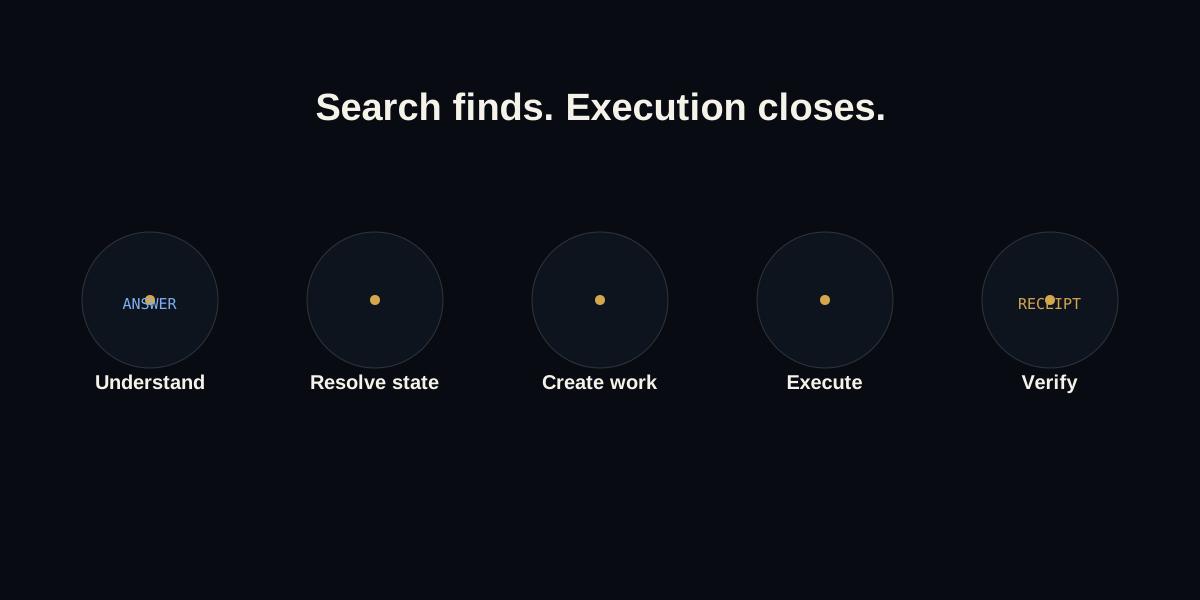
Search answers a question. Execution closes a loop.
A live deal produces signals all day: a buyer replies, counsel confirms an NDA, management changes availability, a diligence answer arrives, or a deadline moves. The execution problem begins after the signal. Which buyer and deal does it belong to? What state changed? What is now permitted? Who owns the next step? Which system needs an update?
A closed loop carries the event through those questions. The source remains attached. The proposed action is visible. The responsible person approves when the action is consequential. The destination is read back afterward so the team has evidence of completion rather than another unchecked task.
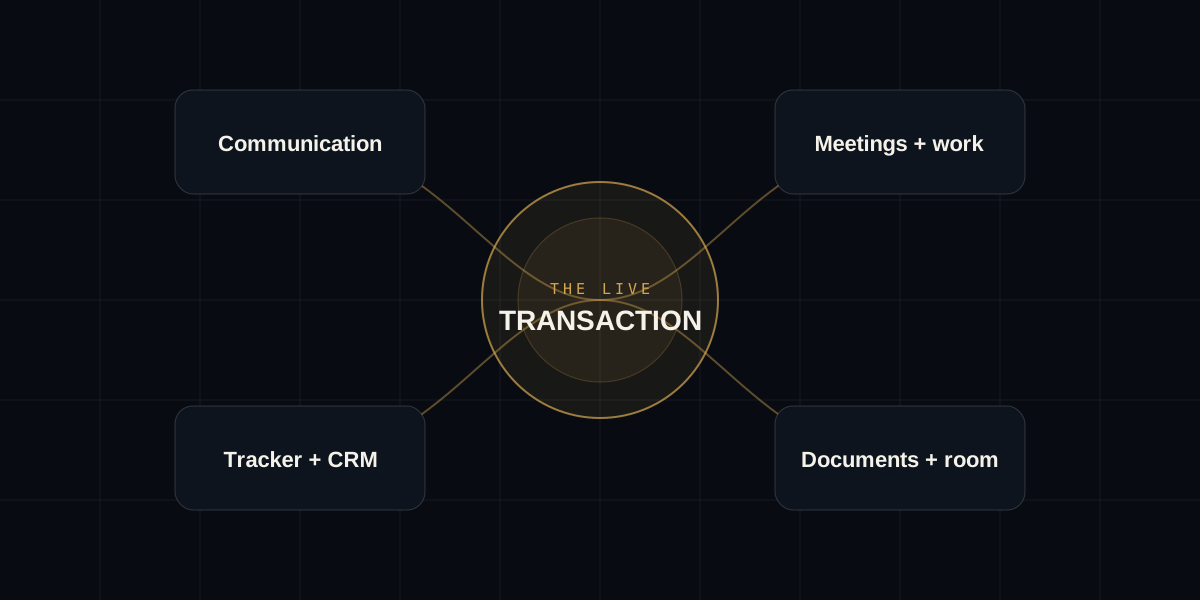
The transaction must be the primary object
Email, CRM, calendar, trackers, documents, and a data room each hold part of the process. None of them alone can determine what the deal means now. AI deal execution therefore needs a shared transaction model that connects people, buyers, permissions, documents, decisions, deadlines, and actions.
Arvya calls that source-backed model the Deal Brain. A transaction state engine uses it to turn evidence into a reviewable state change and the next unit of work. Existing systems remain in place; they become inputs and approved destinations around the transaction.
Human approval is part of the product
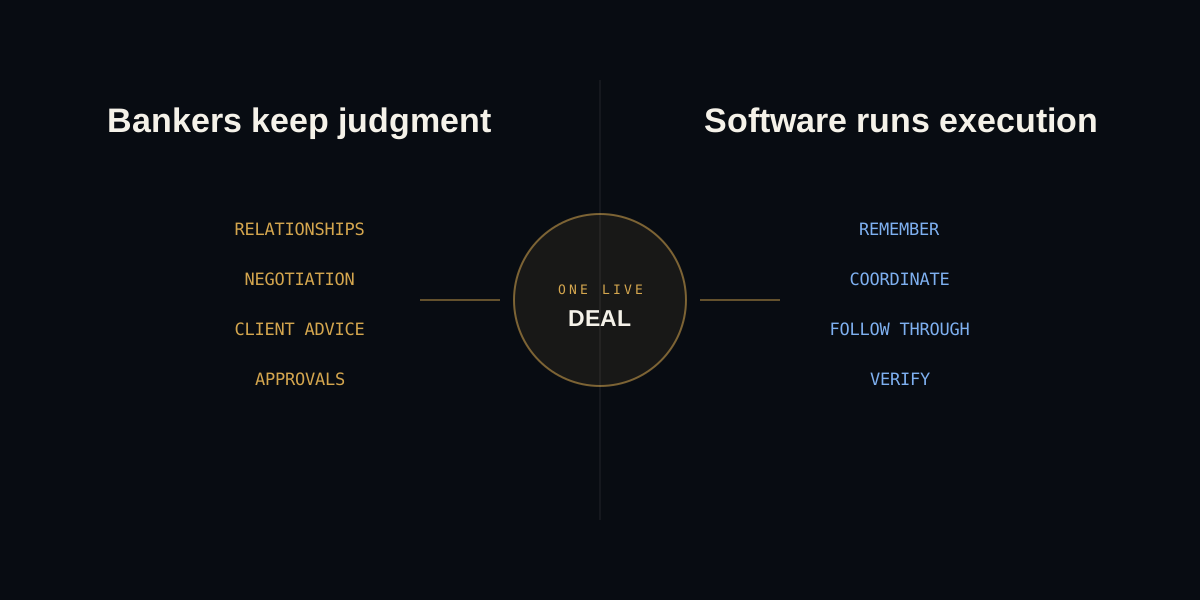
In dealmaking, autonomy without control is not progress. The right boundary is simple: software can remember, reconcile, prepare, coordinate, route, check, and verify. Bankers retain relationship judgment, negotiation, advice, disclosure decisions, and consequential approvals.
This is why approval should carry the evidence, the proposed change, the destination, and the expected effect. A useful interface does not ask a banker to trust a black box. It makes the decision faster and more informed.
How to recognize the real thing
Ask five questions. Does the system understand the full transaction rather than one prompt? Does every material claim link to a source? Can it create the next work, not only describe it? Does it stop at the correct approval boundary? Can it verify the action in the destination system?
If the answer to any of those is no, the product may still be a valuable search tool or copilot. It is not yet running the transaction. See Arvya’s execution loop for the complete event-to-receipt model.