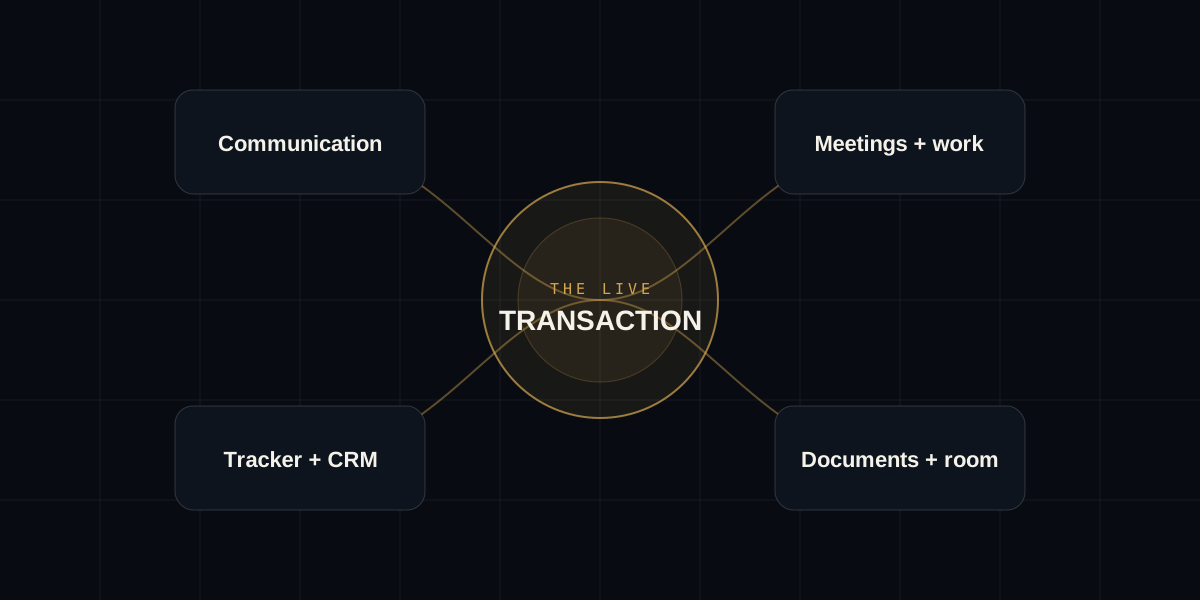
The useful question about AI in investment banking is not whether software replaces the banker. It is which work requires scarce human judgment and which work exists only because the current operating model makes people synchronize fragmented systems.
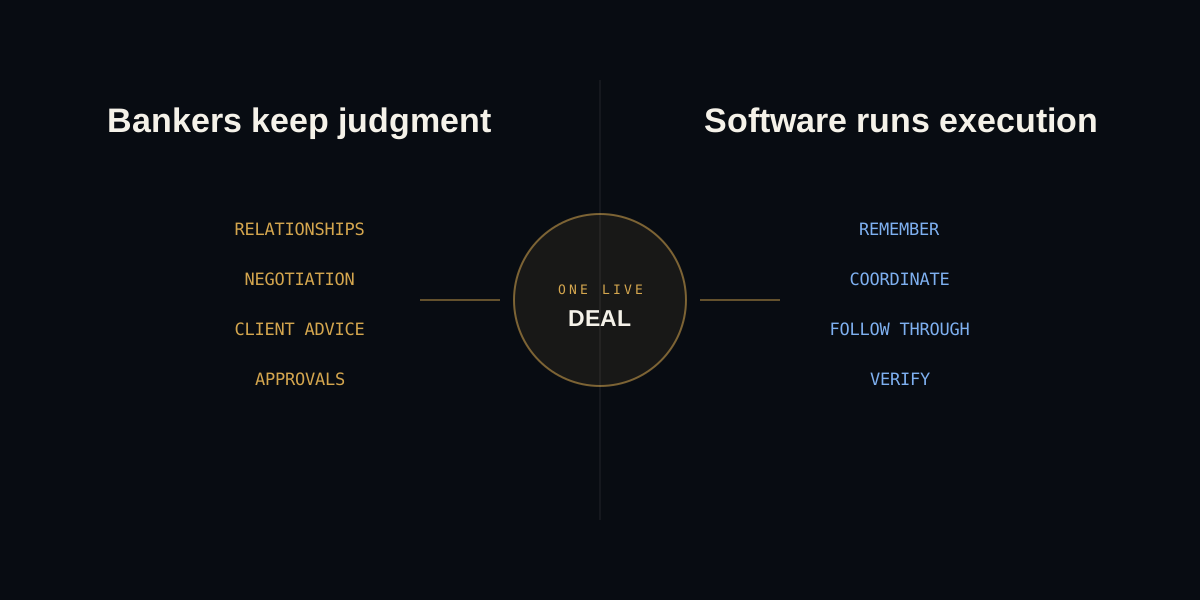
Bankers create value by selecting buyers, reading relationships, negotiating, advising the client, interpreting bids, deciding what to disclose, and handling sensitive situations. The administrative layer underneath those decisions is different: remembering, reconciling, tracking, drafting, coordinating, filing, routing, updating, following through, and verifying.
Why the line matters
Generic automation draws the line at what is technically possible. A trustworthy deal system draws it at consequence. Software can prepare a personalized follow-up, but the banker owns whether it should go. It can identify that an NDA appears executed, but the firm owns whether that buyer should receive a document. It can parse a bid, but the deal team owns the credibility and valuation judgment.
This gives the system a clear operating policy: automate safe, reversible internal coordination; prepare consequential actions with the evidence and effect visible; and stop for the person who owns the decision.
What software should run
A deal system should continuously keep buyer and workstream state current, surface genuine nonresponders, prepare the correct draft and attachment, coordinate meeting constraints, convert calls into decisions and next actions, route diligence to the right owner, maintain the CRM and tracker after approval, and assemble client reporting from live state.
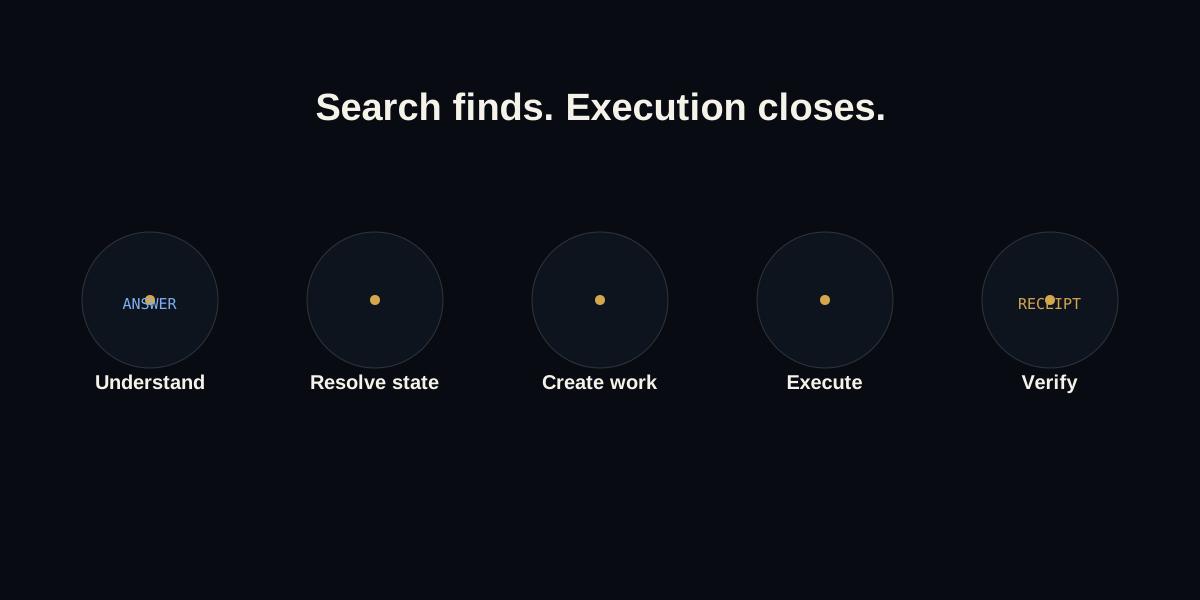
It should also prove its own work. “The update was sent to the CRM” is not enough. The system should read the destination record back and show that the new value is there. “The email was drafted” is not delivery. “The calendar request was created” is not a confirmed meeting. The output should distinguish proposal, approval, write, delivery, and completion.
What bankers should keep
The banker keeps the decisions customers actually pay for. Which names belong on the buyer list. Whether a pass is final. How hard to push a client. What a bid means beyond the headline number. Which information is appropriate to disclose. How to manage the relationship after a difficult conversation.
The goal is not fewer bankers thinking about deals. It is fewer bankers acting as the integration layer between Outlook, Excel, CRM, meetings, documents, and the VDR.
A better operating model
When the line is explicit, AI adoption becomes easier to evaluate. The firm can measure how much administrative execution the system understood, coordinated, and completed; how often people approved or corrected the work; which actions were verified; and how much judgment time returned to the team.
This is the division behind the Arvya agent team. Bankers provide judgment. Arvya provides memory, coordination, and execution. The people remain accountable. The process no longer depends on them carrying every change by hand.